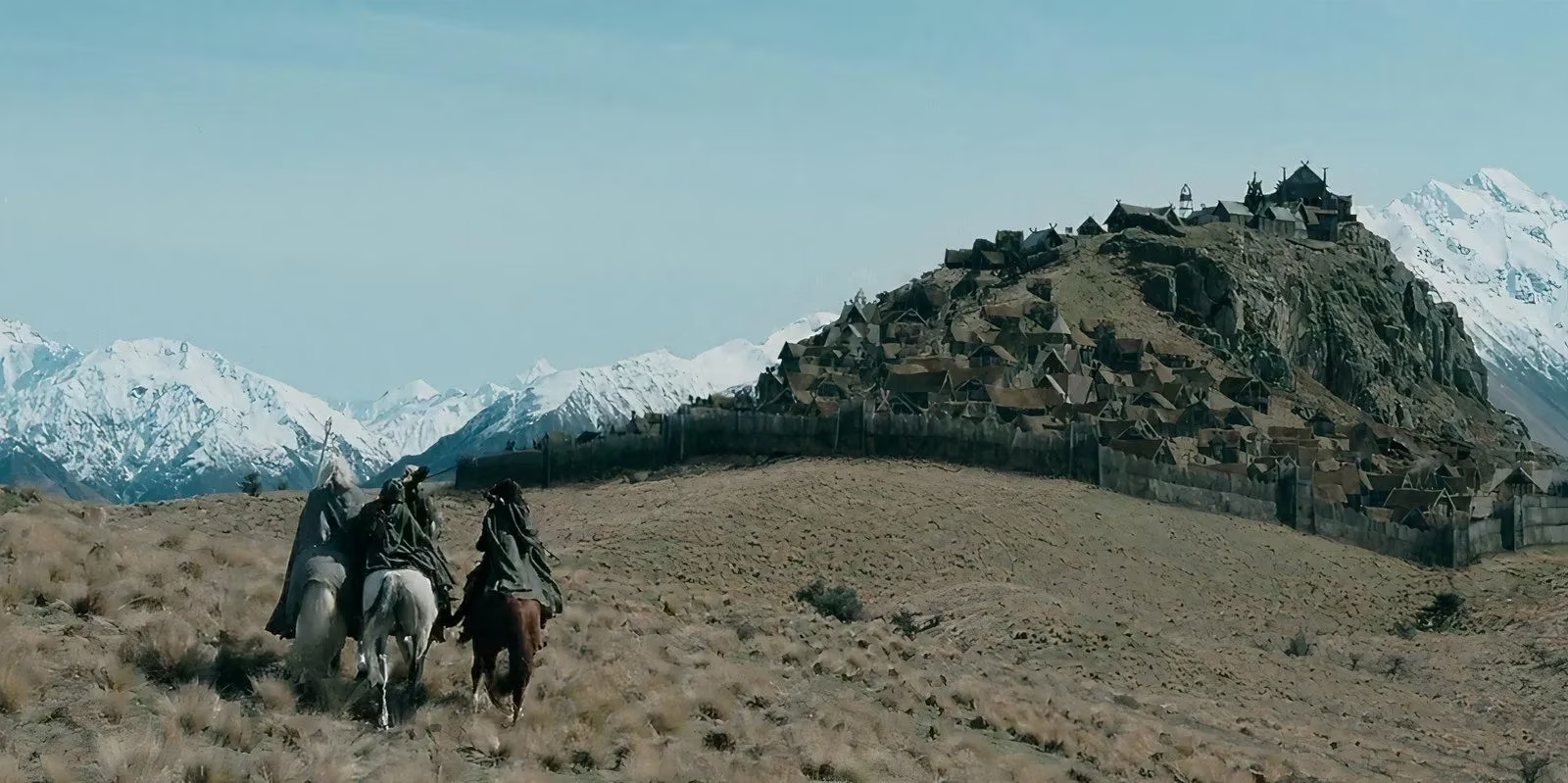
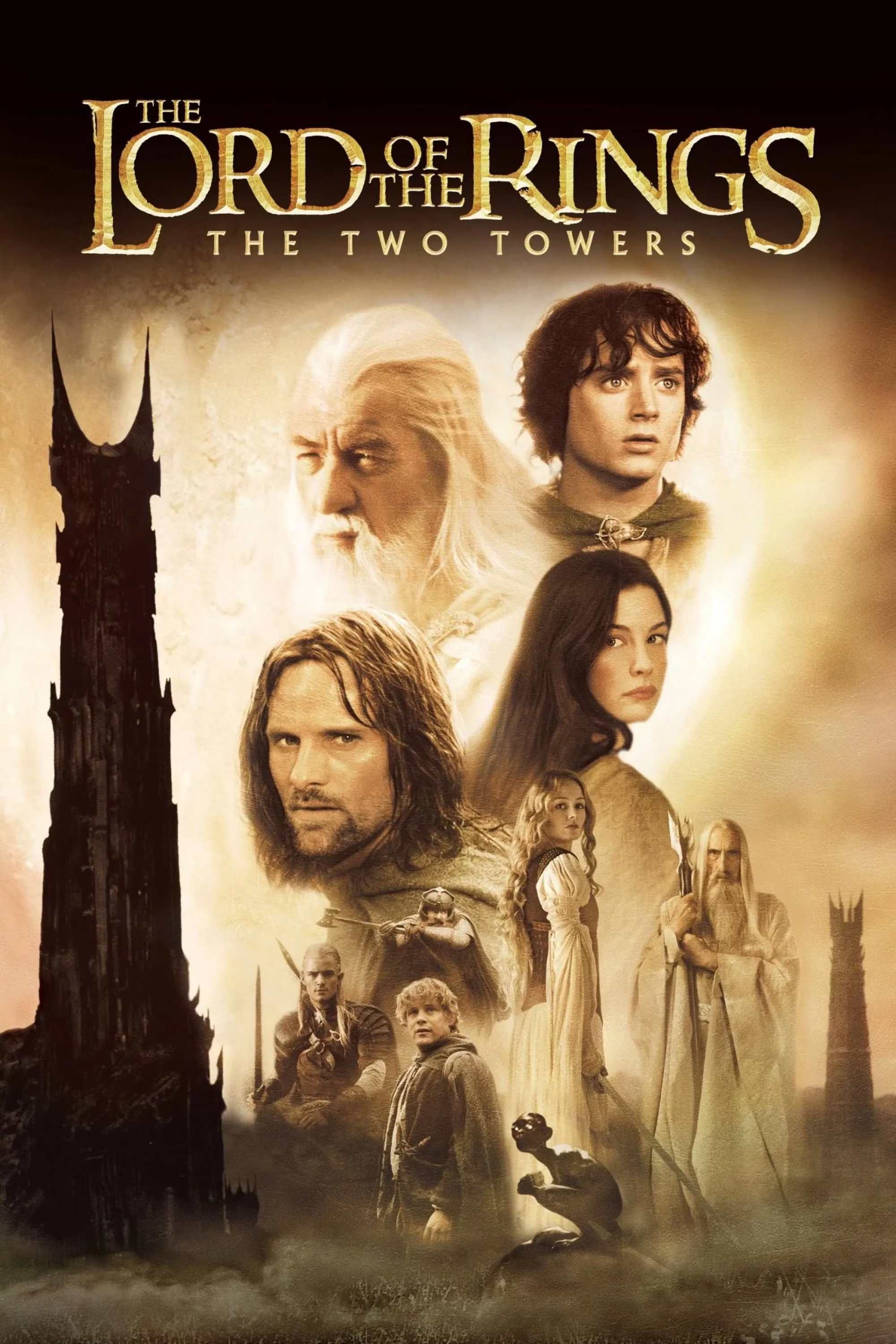
Unlike the other films in Peter Jackson's Lord of the Rings series, The Two Towers concludes on a deliberate cliffhanger, masterfully setting the stage for the epic finale. The second film sees the fractured Fellowship endure separate, grueling trials, each group inching closer to their destiny while apart from one another. Sam and Frodo, now accompanied by the treacherous Sméagol, trudge toward Mordor. Merry and Pippin find unlikely allies in the Ents, while Aragorn, Gimli, and Legolas are reunited with the resurrected Gandalf the White. Introducing the realm of Rohan and its key figures—Théoden, Éomer, and Éowyn—the film balances intense action with profound character development, culminating in victories that are hard-won and costly. As a more action-oriented chapter than its predecessor, The Two Towers ends with the forces of good rallying, yet it leaves audiences acutely aware that the greatest confrontation with Sauron's evil still lies ahead.
The Battle of Helm's Deep: A Victory Forged in Despair and Faith
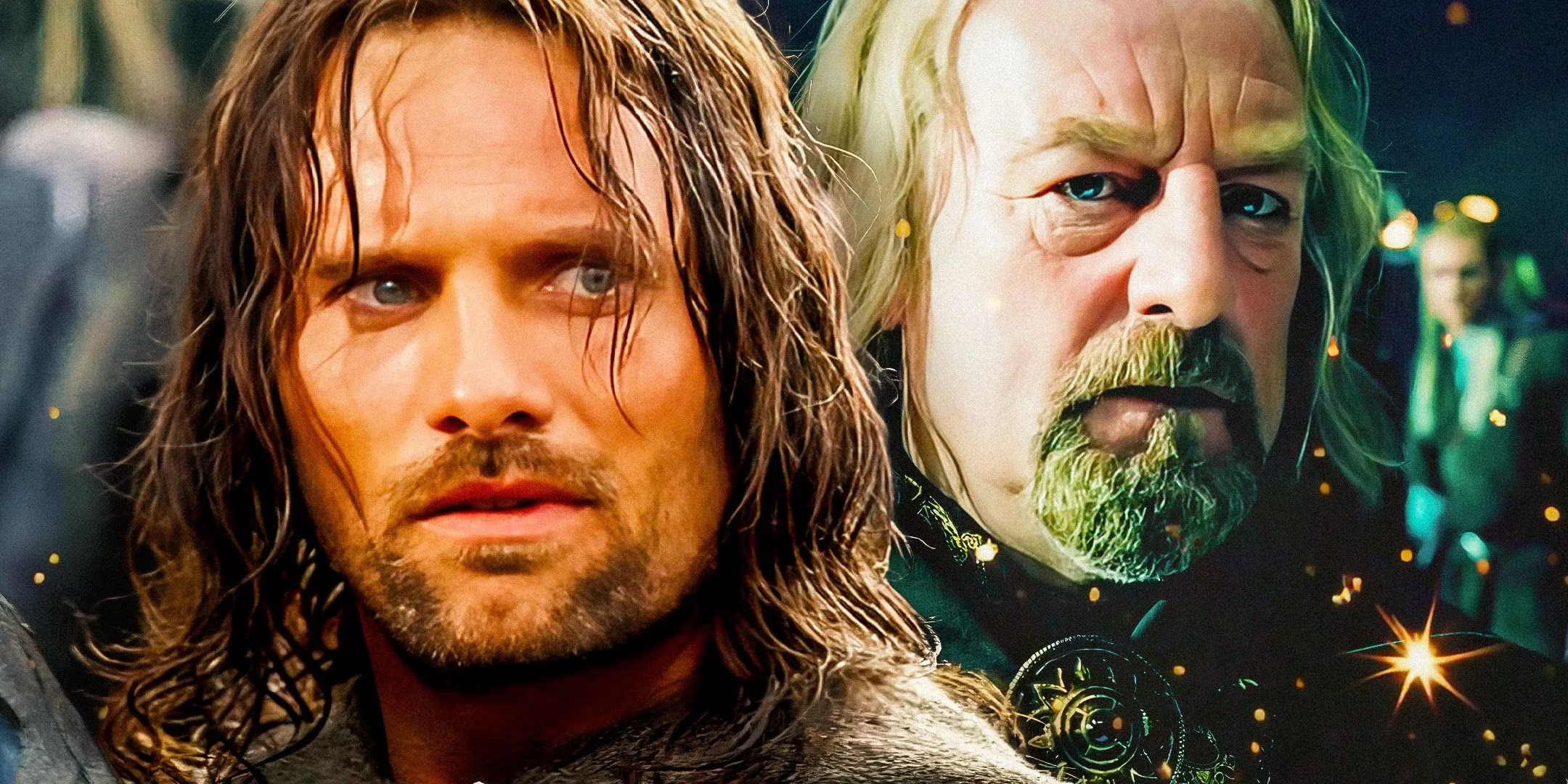
The Battle of Helm's Deep stands as one of the most iconic sieges in cinematic history. Facing 10,000 relentless Uruk-hai, the defenders of Rohan are shrouded in a palpable sense of hopelessness, accentuated by Jackson's use of a dark, blue-tinged palette and torrential rain. Themes of courage against impossible odds define the arcs of Aragorn, Gimli, and Legolas here; even the elven archer experiences a moment of doubt. The Uruk-hai's visceral violence pushes the PG-13 rating, making Aragorn's final, desperate charge feel like a potential last stand. The battle seems all but lost until Aragorn recalls Gandalf's prophetic promise. Salvation arrives at the last possible moment, a narrative choice heavy with religious symbolism about maintaining faith until the end. The victory, though achieved with heavy losses, is a testament to the bravery in the face of mindless hate.
The Fall of Isengard: Nature's Ironic Revenge
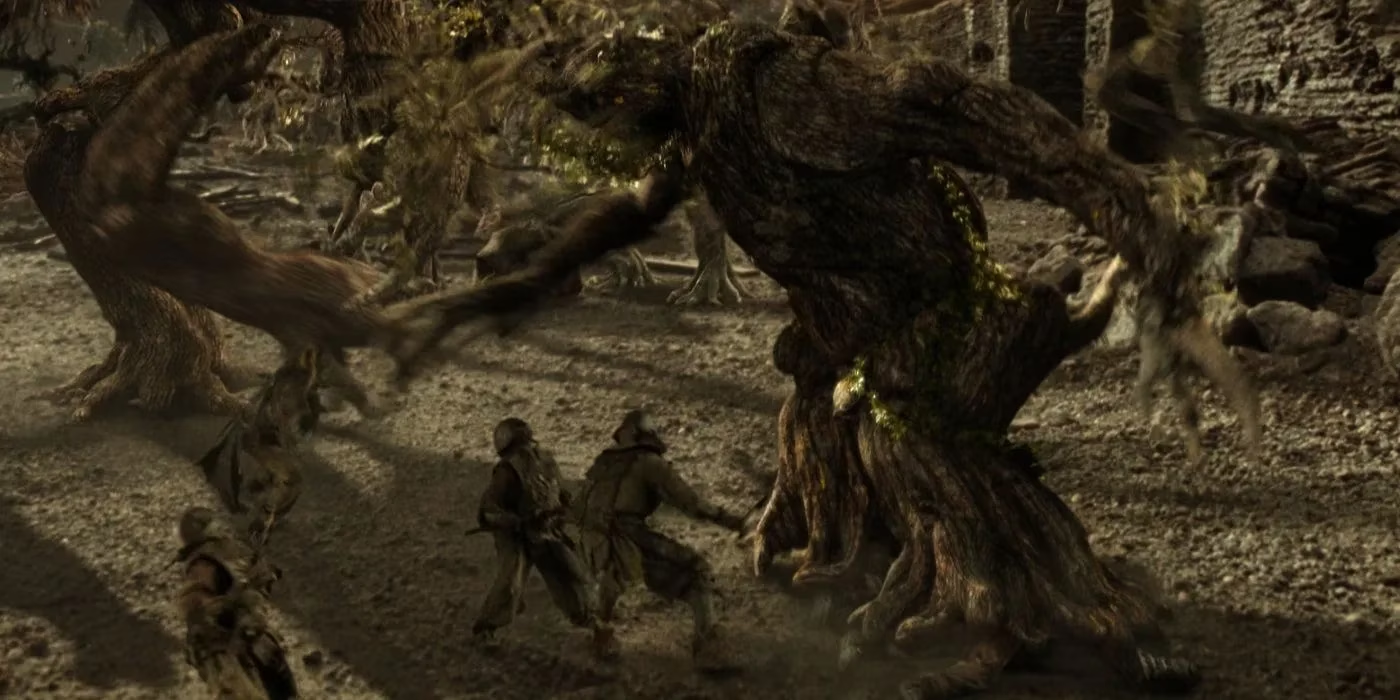
While the warriors fight at Helm's Deep, Merry and Pippin's journey takes a revolutionary turn. After escaping the Uruk-hai, the hobbits befriend the ancient Ent, Treebeard. Their growth from passive bystanders to active agents is a central theme. They ultimately convince the Ents to avenge their destroyed brethren and assault Isengard. In a clever cinematic change from the book, Pippin tricks Treebeard into seeing the deforested wastelands of Isengard firsthand, galvanizing the Ents into action. This marks a profound transformation for the hobbits: Merry and Pippin grow from childish, bumbling hobbits to leaders and revolutionaries. The sacking of Isengard represents a symbolic and ironic victory—Saruman is defeated by the very natural world he sought to industrialize and control.
Sam and Frodo: The Burden Grows Heavier
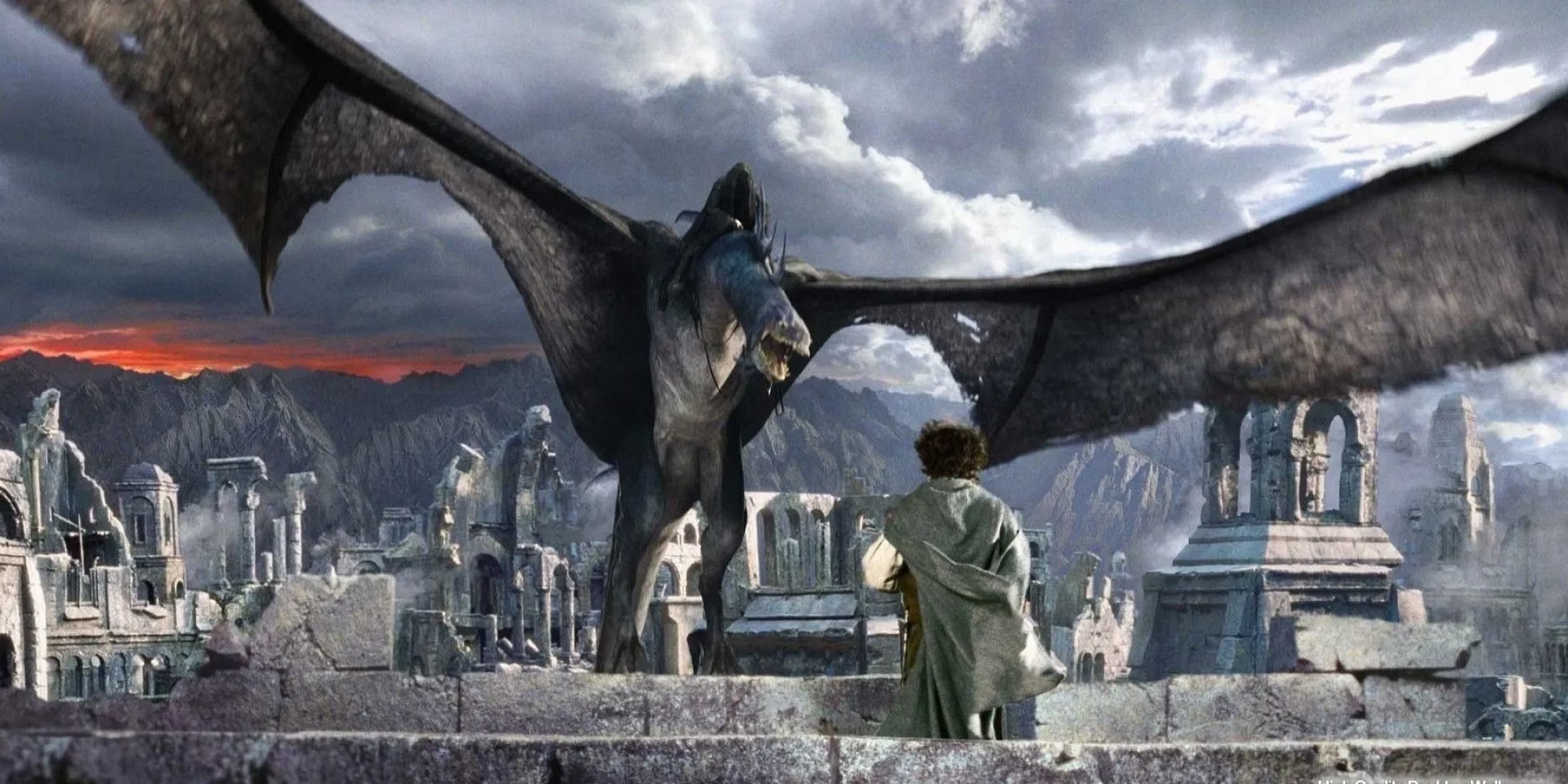
The journey to Mordor grows increasingly perilous for Sam and Frodo. Their dynamic shifts significantly after taking on Gollum (Sméagol) as a guide. A pivotal moment occurs when Frodo meets Faramir in Osgiliath. For the first time, Frodo reacts with violent desperation when the Ring is threatened, revealing that even though Frodo is nearing his goal, he is not completely immune to the damaging effects of the One Ring. Faramir's difficult decision to let them go underscores a key theme: men cannot be trusted with the Ring's power. Their escape from Osgiliath cements Sam's role as the emotional anchor. The closer they get to Mordor, the more Frodo leans on Sam’s fortitude. This ending solidifies Sam as the primary force propelling Frodo forward into the heart of darkness.
From Page to Screen: Jackson's Narrative Reshuffling
Peter Jackson's adaptation made significant structural changes to Tolkien's narrative. The book The Two Towers is divided into two separate volumes—one for Rohan, one for Frodo and Sam—while the film intercuts these storylines to create parallel tension. Key differences include:
-
Helm's Deep: While the battle's core plays out similarly, Jackson amplifies its scale and adds the arrival of the Elves from Lothlórien, an element absent from the book.
-
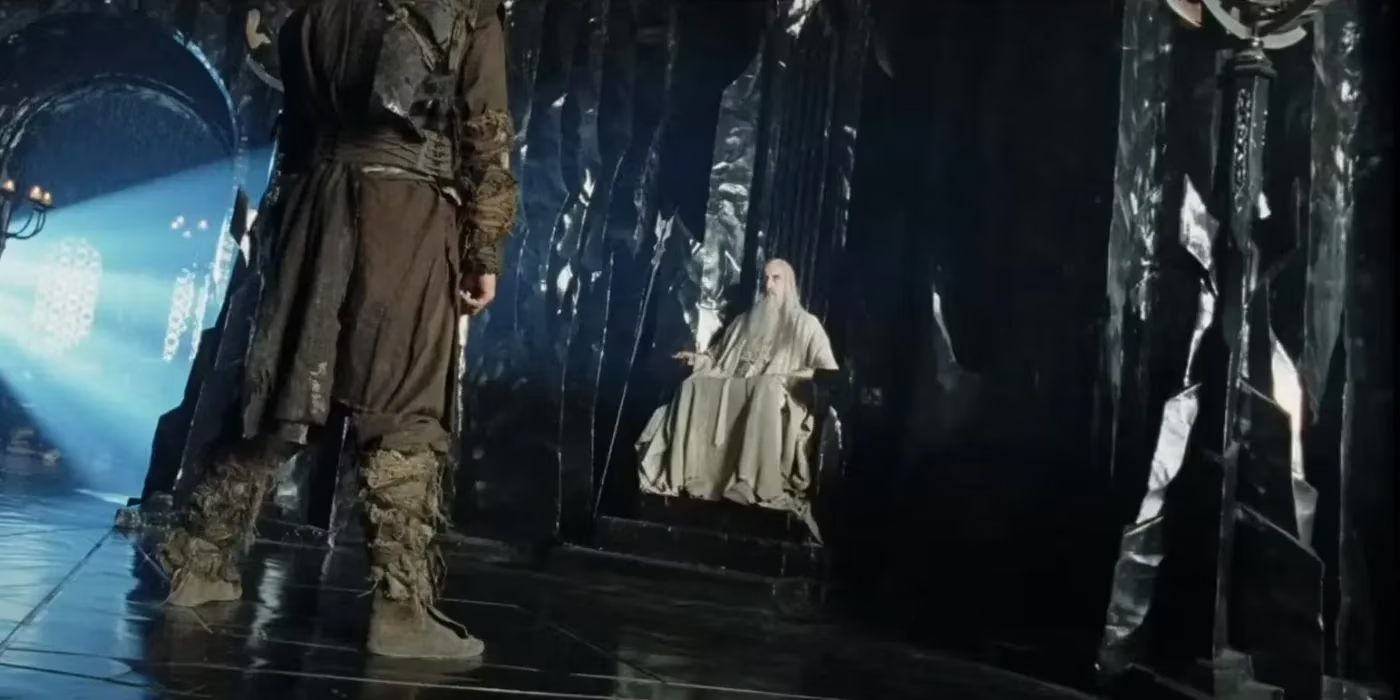
Saruman's Fate: In the book, after Helm's Deep, the heroes confront Saruman at Isengard, where Gandalf gives Saruman an opportunity to surrender and rejoin their side. His refusal leads to Gandalf breaking his staff. This scene was moved to a deleted scene in The Return of the King, where Saruman meets a different fate.
-
Frodo & Sam's Timeline: Much of their story from The Two Towers book is pushed back to the third film. Their encounter with Shelob at Cirith Ungol, which ends the second book, occurs midway through The Return of the King movie. The film also creates a new action sequence in Osgiliath involving the Nazgûl.
Thematic Resonance: Rekindling Hope in Middle-earth
As the crucial middle chapter, The Two Towers places each of its characters in the exact right places to begin the final film. Every protagonist faces and overcomes a defining trial:
-
🛡️ Aragorn, Legolas & Gimli: Prove their leadership and valor at Helm's Deep.
-
🌳 Merry & Pippin: Catalyze the Ents' attack, evolving from comic relief to revolutionaries.
-
💍 Frodo & Sam: Their bond deepens under the Ring's corrosive influence.
-
⚪ Gandalf: Returns with greater power to rally the forces of the West.
The ending powerfully reinforces the trilogy's core themes. Despite grim odds and severe costs, they have proven that the will of Men in Middle-earth is not as weak as Sauron may have thought. The film concludes not with finality, but with a hard-earned, fragile hope—the necessary prelude to the ultimate courage required in the final act.
Legacy and Impact: By the Numbers
| Aspect | Detail |
|---|---|
| Release Date | December 18, 2002 |
| Runtime | 179 minutes (Theatrical Cut) |
| Director | Peter Jackson |
| Key Cast | Elijah Wood, Ian McKellen, Viggo Mortensen, Andy Serkis |
| Academy Awards | Won 2 (Sound Editing, Visual Effects) |
| Box Office | Over $940 million worldwide |
Over two decades since its release, The Two Towers remains a benchmark for fantasy filmmaking and middle-chapter storytelling. It successfully expanded the world of Middle-earth, raised the stakes for its characters, and delivered sequences of unparalleled scale and emotional depth. Its ending, a cliffhanger brimming with both triumph and foreboding, perfectly captures the essence of Tolkien's work: that even in the deepest shadows, hope and fellowship can prevail.
Leave a Reply
Comments