As The Rings of Power season 2 unfolds in 2026, fans have noticed something striking: the series isn't just sharing the same world as The Lord of the Rings—it's performing a narrative mirror dance, particularly with The Two Towers. The latest episodes see storylines converging in Eregion, while the Stranger and Nori's paths remain intriguingly separate. Nori and Poppy are still with the Stoors, and the Stranger finds himself at a crucial crossroads in Tom Bombadil's mystical domain. In episode 6, Tom delivers a warning that feels like a haunting melody from a familiar song, urging the wizard to choose between his Harfoot family and mastering his powers, all while dark forces gather on the horizon.

🧙 Tom Bombadil's Warning: A Fork in the Road Reminiscent of Middle-earth's Past
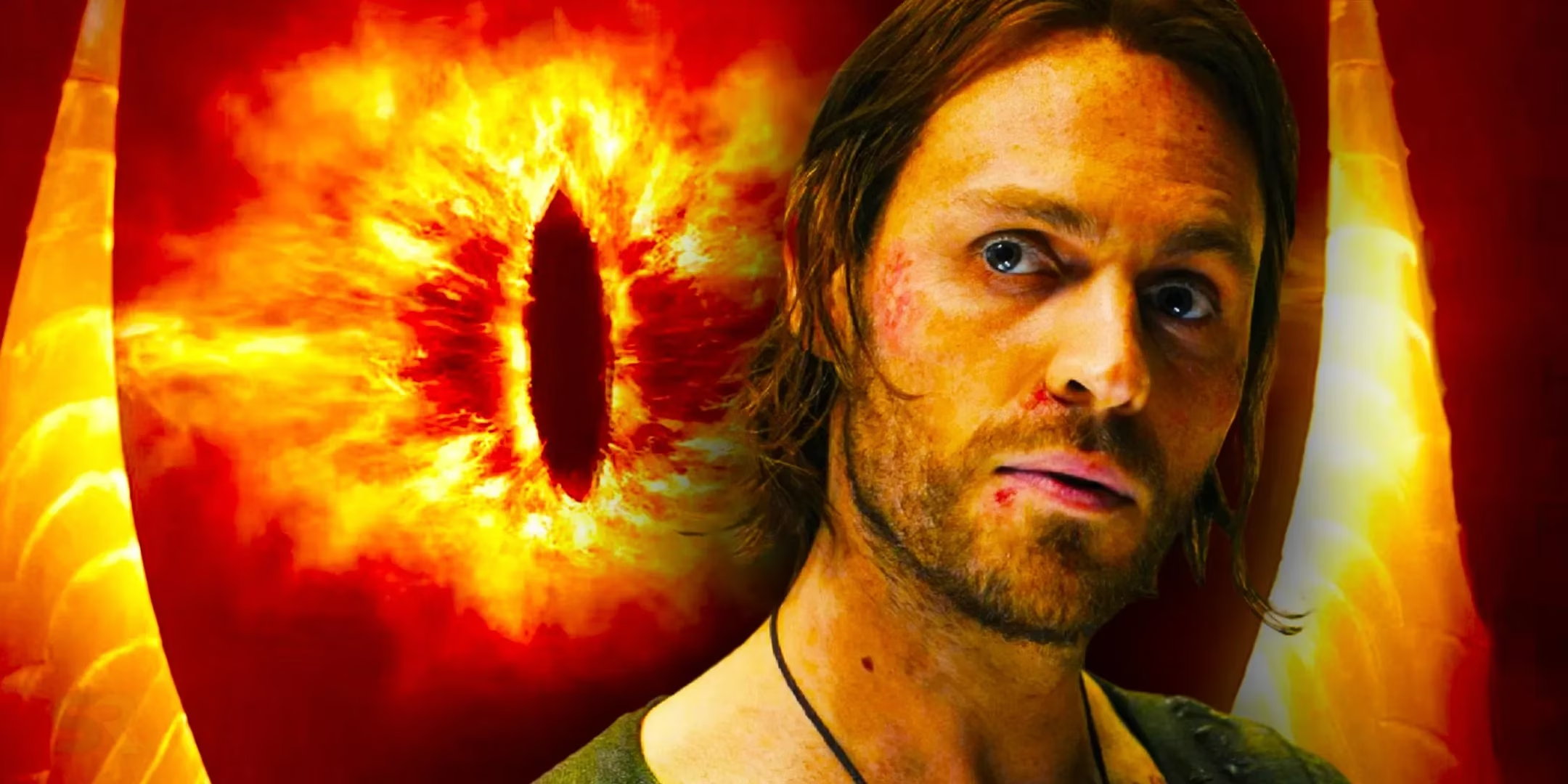
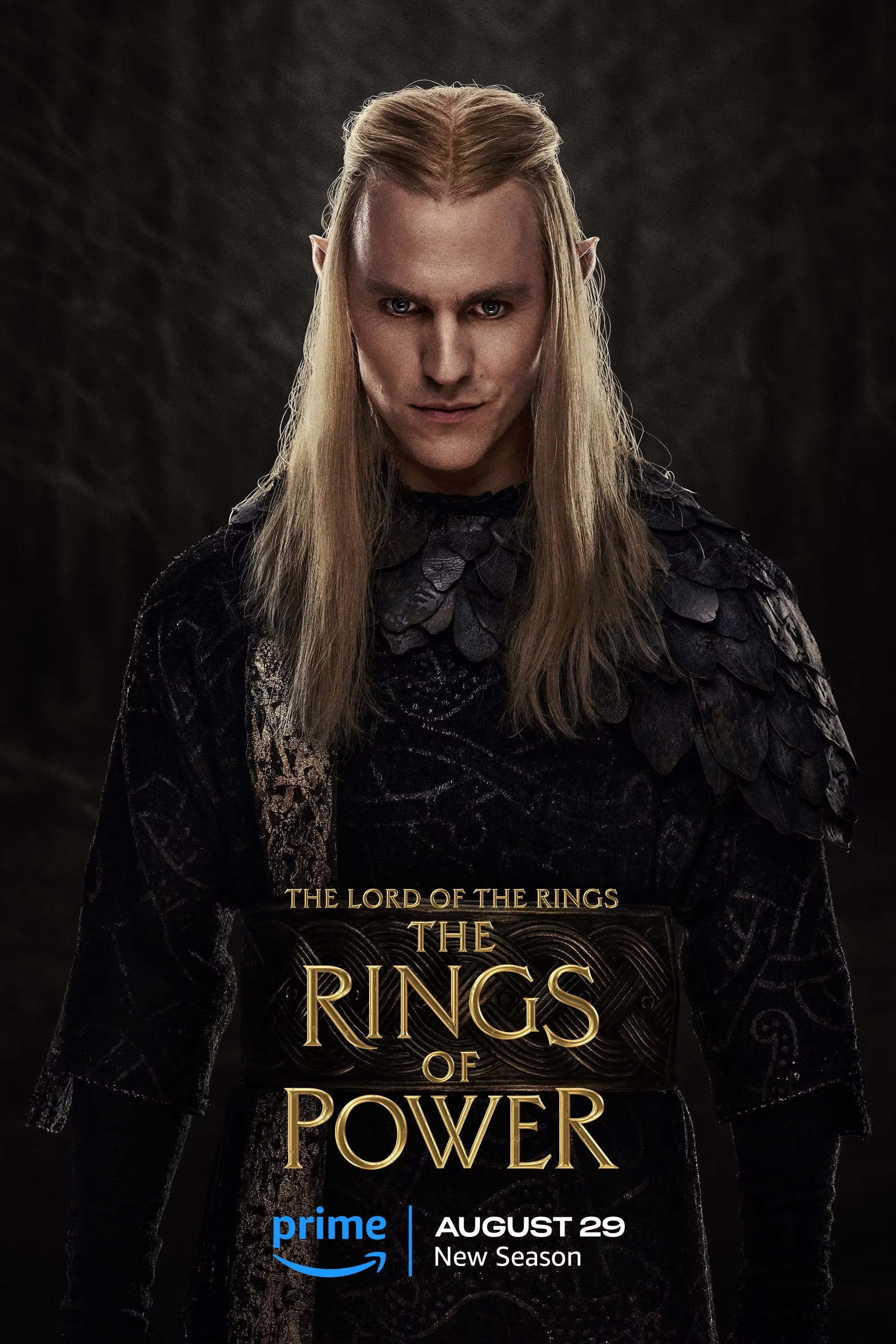
During his cryptic chat with the Stranger, Tom Bombadil lays out the chessboard of Middle-earth's new threats: "Sauron rises in the west," while a "Dark Wizard stirs in the east." This dual-threat setup is like finding two shadowy reflections in the same cursed mirror—one we know, and one shrouded in mystery. The introduction of this Rhûn-based Dark Wizard is the show's most blatant structural nod to The Two Towers, which juggled Sauron's looming threat with Saruman's more immediate menace at Isengard. Speculation is running wild that this eastern wizard could be a younger Saruman, a theory that, if proven, would make the parallel not just an homage but a direct prequel thread. The Stranger's dilemma—choosing between the simple life and a destiny of power—feels like a thematic cousin to the choices faced by characters like Aragorn or even a certain Ring-bearer in Peter Jackson's trilogy.
🏜️ Parallel Journeys: Harfoots and Hobbits Across Desolate Lands
Season 2 isn't stopping at villain blueprints. Nori and Poppy's trek across a barren wasteland in the latest episodes has viewers getting serious Frodo and Sam vibes. Their journey, filled with danger and determination, mirrors the iconic hobbit struggle through the Dead Marshes and the plains of Gorgoroth. It's as if their story is a delicate, earlier embroidery of the same epic tapestry. Meanwhile, in Númenor, the palantír is causing visions and political turmoil, directly echoing the chaos it sowed when Pippin and Saruman gazed into its depths. The narrative threads are weaving a pattern that feels both fresh and comfortingly familiar.
⚔️ Building to a Siege: The Inevitable Climax
Just like The Two Towers built inexorably towards the Battle of Helm's Deep, The Rings of Power season 2 is steering toward the Siege of Eregion. This promised clash, where Sauron plans to topple the Elven stronghold, is the season's Helm's Deep. The corruption of King Durin III, manipulated by the power of the rings, is a slow-burn possession arc that chillingly recalls King Théoden's ensnarement by Saruman. The season's architecture—spreading threats, converging journeys, and a fortress under siege—feels less like coincidence and more like a deliberate, loving recreation of a beloved narrative rhythm.
🤔 Is This Repetition the Whole Point?
Some might ask: why so much mirroring? The answer is simpler than it seems. This is precisely what Amazon's adaptation set out to do. The goal was to recapture the magic, scope, and emotional beats of the original film trilogy while exploring the uncharted history of the Second Age. In Tolkien's world, history doesn't just rhyme—it often repeats its most epic choruses. The struggles against tyranny, the corruption of power, and the resilience of humble folk are timeless themes. The show is essentially showing us the ancient, weathered roots of the tree whose branches we already know so well. Future seasons will likely draw even more parallels, perhaps with The Return of the King, as Sauron's final downfall approaches.
🔮 What's Next for the Rings of Power?
With two episodes left in season 2, the Siege of Eregion awaits, promising an action-packed finale. Looking ahead, the journey of the Stranger (increasingly likely to be a young Gandalf) and the Harfoots may soon intersect with the main war against Sauron, much like the fellowship's storylines converged. The show has successfully built a bridge between the new and the familiar, making the vast history of Middle-earth feel connected and inevitable. For fans, it's like watching the grand prologue to a symphony they've loved for years, finally hearing the opening notes that explain the melody's power. The echoes of The Two Towers aren't a lack of creativity; they're the show's way of proving it belongs to the same legendary song.
Leave a Reply
Comments